

White gold: why it is rhodium-plated and how to keep it shiny
Posted by REDAZIONE
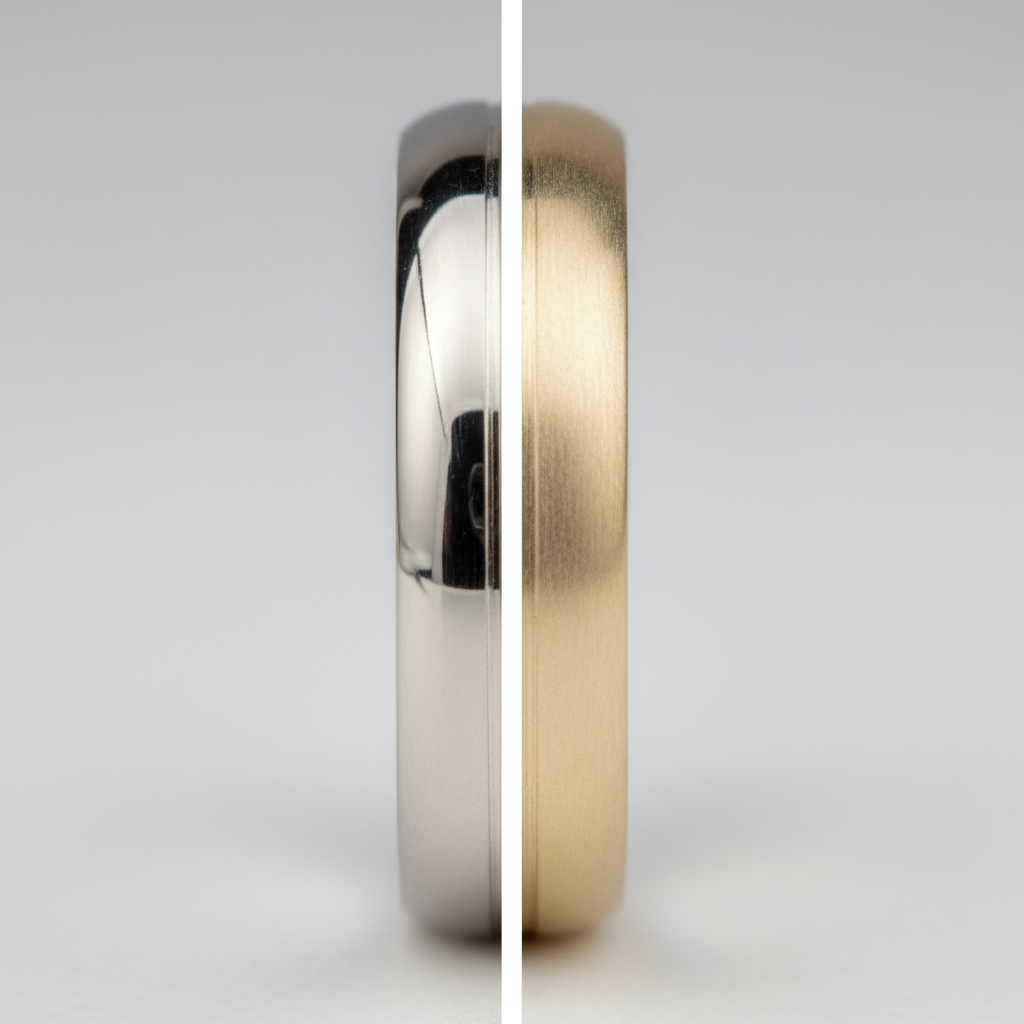
In brief: White gold is plated with rhodium, a metal that provides the white luster that makes it so fascinating. With daily use, the plating wears off (12-18 months on average), the jewelry yellows, and it loses its shine. Periodic rhodium plating by a jeweler restores it perfectly: it is a quick and affordable process.
What is white gold rhodium plating
18k white gold is actually yellowish by nature. To achieve that brilliant, cold white color we see in jewelry, jewelers use a galvanic process called rhodium plating.
Rhodium plating consists of depositing a microscopic layer of rhodium (a precious metal from the platinum family) onto the surface of the gold. This layer is only a few microns thick—a human hair is about 70 microns, so we are talking about less than a tenth of a hair—but it completely transforms the appearance of the piece, giving it that pure white glow.
The same process is applied to 925 silver to make it even brighter and more resistant to oxidation. If you want to understand how the alloys behind the three colors of gold differ, you can find it explained in our guide on yellow, white, and rose gold.
Why rhodium plating wears off over time
Mechanical friction is the main enemy. Every time you wear the jewelry, you rub it against your skin, clothes, other rings, shower water, and soap. These repeated contacts, even if gentle, gradually wear down the very thin layer of rhodium.
The areas most affected are those where contact is constant: the shank of the ring, i.e., the bottom part, yellows first because it constantly touches the things you hold in your hands—the steering wheel, the keyboard, the mouse, your grocery bag.
A diamond set in a white gold ring is a special case: the area around the stone wears out before the rest because it accumulates micro-scratches from cleaning.
The average wear time is 12-18 months of daily use. If you wear the jewelry occasionally, it lasts longer, even 2-3 years. This applies to rings, white gold bracelets, and chains alike.
How to keep it shiny for as long as possible
❶ Avoid wearing it during sports and manual labor. Swimming, the gym, gardening, housework: take off your gold jewelry for these activities. Rubbing accelerates the wear of the rhodium plating.
❷ Protect it from perfumes, lotions, and deodorants. Beauty products contain substances that dull rhodium. Put on your jewelry after your morning beauty routine.
❸ Do not use harsh chemicals for cleaning. Never use bleach, ammonia, or toothpaste. Use only lukewarm water and mild soap, or professional cleaning—safe methods can be found in our guide on how to clean and store gold jewelry.
❹ Dry well after showering. Water left on the jewelry encourages the wear of the plating.
❺ Store correctly. In a soft fabric pouch or a jewelry box, away from humidity and salty air if you live by the sea.
When the rhodium plating wears off: how to get it redone
If your white gold jewelry has started to yellow, the solution is to have the rhodium plating redone. It is a quick process (1-3 days), inexpensive (depending on size, generally €20-50), and makes the piece look like new.
How it works, step by step:
- Take the jewelry to a trusted jeweler.
- The jeweler cleans the surface and removes the residue of the old plating.
- They apply a new layer of rhodium via a galvanic process.
- They check the finish and polish the piece.
The jewelry returns to being as brilliant as it was at the beginning. If it has precious stones, the jeweler will protect them during the process: there is no risk to the gems.
A practical tip: if you have multiple white gold pieces, for example a ring and a bracelet, have them rhodium-plated together—you will save on labor costs.
In our workshop in Cosenza, we perform rhodium plating on jewelry from any source, not just our own. You can view our full collection among our women's 18k gold jewelry and 18k gold rings, or contact us for a quote on your piece.
FAQ — Frequently asked questions about rhodium plating
Q: Does white gold oxidize like silver?
A: No, 18k white gold does not oxidize: gold does not oxidize by nature. What you see as "yellowing" is just the wear of the rhodium, which leaves the underlying gold exposed.
Q: Can I completely avoid the wear of the rhodium?
A: No, friction is inevitable if the jewelry is worn. Periodic rhodium plating is the normal maintenance for those who love white gold, not a sign of a defect.
Q: Is rhodium toxic?
A: No, rhodium is an inert and safe precious metal. It is actually often preferred by those with sensitive skin, as it isolates the skin from the underlying alloy.
Q: Is it worth re-plating an antique piece of jewelry?
A: Yes, if the piece has sentimental value or is of good quality. Rhodium plating is inexpensive and restores it to its original appearance without affecting the gold.
Q: Is rose gold rhodium-plated?
A: Rarely. Rose gold naturally maintains its warm color and does not need rhodium. If a piece of rose gold jewelry were rhodium-plated, it would be a stylistic choice, not a necessity.
Q: How often should the rhodium plating of a wedding band or a frequently worn ring be redone?
A: On average every 12-18 months for a piece worn every day. A ring worn only on special occasions can easily last 2-3 years.
Article written by Editorial Staff — Gioielleria Tosti, Cosenza, since 1972. Official distributor of certified Italian jewelry and watches.
Published on 2026-09-20 | Updated on 2026-09-22